- Follow Us:
- (828) 835-7580

What Is the Difference Between Rehabilitation and Long-Term Care?
July 24, 2026
What Should You Bring When Moving Into a Skilled Nursing Facility?
August 25, 2026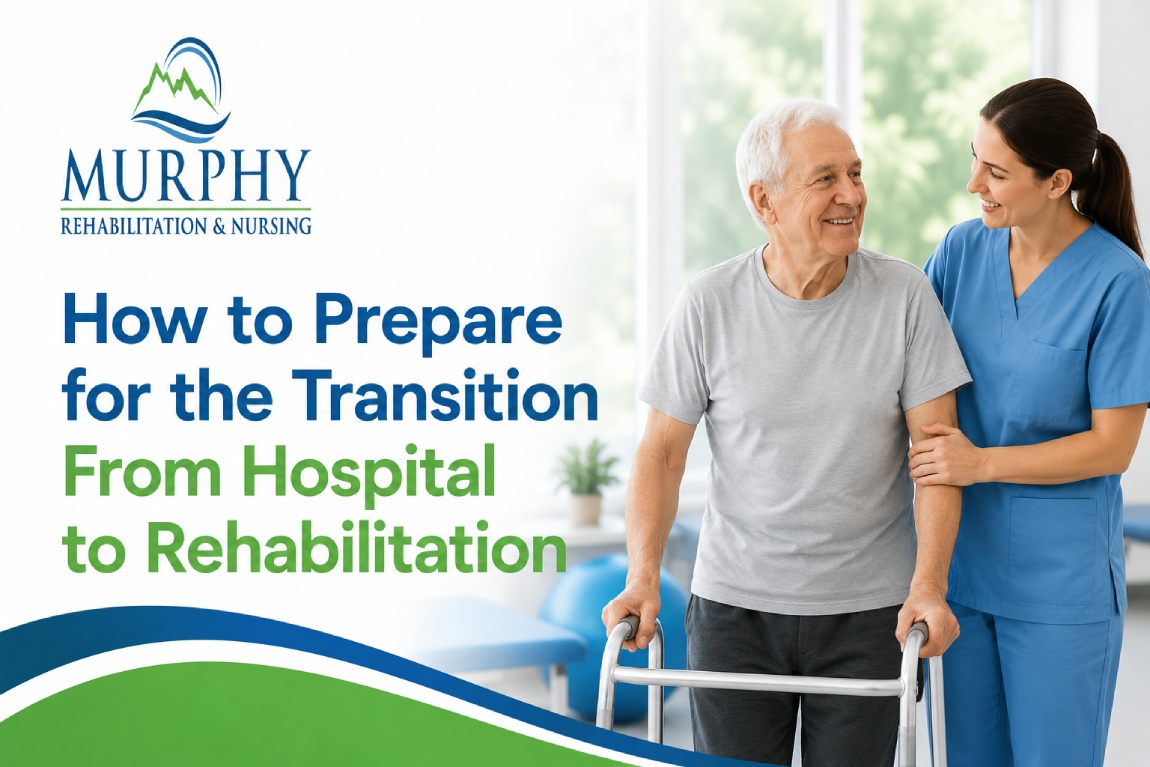
Knowing what to expect before discharge day can help your loved one arrive at rehabilitation feeling informed, supported, and ready to focus on getting stronger.
Leaving the hospital is an encouraging step after surgery, illness, or injury, but it does not always mean a person is ready to return home. For many patients, particularly older adults, there is an important period between hospital care and independent living when additional therapy, skilled nursing, and assistance with everyday activities can make recovery safer and more successful.
Transitioning to a rehabilitation center gives patients time to rebuild strength, improve mobility, and regain the skills they need before going home. Still, moving from one care setting to another can feel overwhelming for both patients and their families. There may be questions about medications, therapy schedules, what to bring, insurance coverage, and what daily life in rehabilitation will look like.
A little preparation can make the transition much easier. By understanding the process and staying involved throughout recovery, families can help their loved one arrive at rehabilitation feeling informed, supported, and ready to focus on getting stronger.
Jump To Section
Quick Answer
How Do You Prepare for the Transition From Hospital to Rehabilitation?
To prepare for a transition from the hospital to rehabilitation, families should understand why rehabilitation is recommended, ask about therapy and care needs, confirm insurance and admission requirements, prepare comfortable clothing and supportive shoes, gather important medical and personal information, and stay involved with the care team throughout the rehabilitation process.
At a Glance
Hospital-to-Rehabilitation Transition Checklist
Use this checklist as a starting point while you plan. Your hospital discharge planner and the rehabilitation admissions team can help you work through each item.
Confirm why rehabilitation is being recommended.
Ask about therapy, nursing, medication, and daily care needs.
Check insurance coverage and admission requirements.
Ask the rehabilitation center what to bring.
Pack comfortable clothing and supportive, non-slip shoes.
Bring important personal, identification, and insurance information.
Share relevant medication and medical information with the care team.
Ask about rehabilitation goals and plans for the next stage of care.
The Next Step
Understand Why Rehabilitation Is the Next Step
Hospital care is primarily focused on treating an immediate medical problem. Once that condition is stable, a patient may no longer need hospital-level care but may still need professional support before returning home safely.
Short-term rehabilitation helps bridge that gap. Depending on the patient’s needs, care may include:
Skilled nursing for ongoing medical monitoring, wound care, and medication management
Physical therapy to rebuild strength, balance, and safe mobility
Occupational therapy to restore the everyday skills needed for independent living
Speech therapy for communication, cognition, and swallowing concerns
Daily living support with activities such as bathing, dressing, and walking
For someone recovering from joint replacement, a stroke, a serious infection, a fall, or another significant medical event, rehabilitation provides a structured environment where recovery can continue under professional supervision.
When considering a Murphy rehabilitation center, families should ask the hospital care team why rehabilitation is being recommended and what specific goals need to be achieved before returning home. Understanding those goals provides a clearer picture of what the next stage of recovery will involve.
Before Discharge
Start Planning Before Hospital Discharge
Whenever possible, conversations about rehabilitation should begin before the day of discharge. Hospital discharge planners, case managers, physicians, and therapists can help families understand the patient’s needs and identify appropriate care options.
Helpful questions to ask the hospital team include:
Type of therapy recommended, and how often sessions are expected to take place
Expected length of the rehabilitation stay
Current mobility limitations and what assistance will be needed day to day
Medication needs including any changes made during the hospital stay
Medical concerns that will require continued monitoring after discharge
Families should also ask about insurance coverage and admissions requirements early in the process. Having this information organized in advance can prevent unnecessary delays when the patient is medically ready to leave the hospital.
Communication between the hospital and rehabilitation center is especially important. Medical records, medication lists, physician orders, therapy recommendations, and other relevant information should be transferred so the rehabilitation team understands the patient’s condition and can begin developing an appropriate care plan.
Packing
Know What to Bring to Rehabilitation
Patients generally do not need to pack extensively for a short-term rehabilitation stay, but having a few familiar and practical items can make the experience more comfortable.
Comfortable, loose-fitting clothing that is easy to put on and remove, especially for patients participating in daily therapy
Supportive, nonslip shoes which matter a great deal when patients spend significant time practicing walking, standing, balance, and other mobility skills
Several changes of clothing and sleepwear so there is always something clean and comfortable ready for the next therapy session
Personal toiletries and the everyday products your loved one already knows and prefers
Eyeglasses, hearing aids, and dentures along with cases, chargers, and any supplies that go with them
A few family photographs or another small personal item to help the room feel more familiar
Important documents and insurance information plus an up-to-date list of current medications
Before packing medications themselves, however, check with the rehabilitation center. Medications are generally managed by the facility’s nursing team during the stay.
It is always a good idea to contact the admissions team before arrival for specific recommendations about what to bring and what should remain at home.
Arrival
Expect an Assessment and Personalized Recovery Plan
Shortly after admission, the rehabilitation team will evaluate the patient’s current abilities and medical needs. This assessment helps determine where the patient is starting and what needs to happen before a safe return home.
The evaluation may look at strength, balance, walking ability, endurance, pain, cognition, communication, swallowing, and the ability to perform everyday activities independently. Nurses will also review medications, medical conditions, physician orders, and other clinical needs. From there, an individualized care plan is developed.
For example, someone receiving physical therapy in Murphy NC after hip surgery may work on walking safely, strengthening the muscles surrounding the joint, improving balance, and navigating stairs. Another patient recovering from a stroke may need a combination of physical, occupational, and speech therapy.
The important thing to remember is that rehabilitation is not one-size-fits-all. Goals should reflect the individual’s health, abilities, home environment, and personal priorities.
The First Few Days
Help Your Loved One Adjust to Rehabilitation
The first few days in rehabilitation can require an adjustment. Patients are entering a new environment, meeting new caregivers, and beginning a structured routine shortly after experiencing a significant health event. Family encouragement can make this transition easier.
Remind your loved one that rehabilitation is a temporary step toward greater independence rather than a setback. Encourage participation in therapy, but also recognize that recovery can be physically and emotionally tiring. Progress may happen gradually, and small achievements deserve to be celebrated.
A patient who walks an additional 20 feet, transfers from bed to chair more safely, or dresses with less assistance is making meaningful progress toward returning home. Regular visits and phone calls can provide motivation while helping families remain connected to the recovery process.
Working Together
Stay Involved With the Care Team
Families can be valuable partners throughout rehabilitation. Ask about therapy goals, progress, medical concerns, and what skills your loved one will need before discharge.
Care plan meetings provide an especially useful opportunity to discuss recovery with nurses, therapists, social workers, and other members of the interdisciplinary team.
If you notice changes in your loved one’s mood, appetite, energy, cognition, or comfort, share those observations with staff. Families often recognize subtle changes because they know the resident so well.
At Murphy Rehabilitation & Nursing, communication between patients, families, and the care team helps create a more coordinated approach to recovery and ensures everyone is working toward the same goal.
Looking Ahead
Begin Preparing for Home Before Discharge Day
A successful transition does not end with admission to rehabilitation. From the beginning, the care team should also be thinking about what the patient will need to return home safely.
Therapists may ask about stairs, bathrooms, bedroom location, flooring, and other features of the home environment. This information helps them incorporate practical skills into therapy sessions and identify potential safety concerns.
Depending on the patient’s needs, preparing for home might include:
Adaptive equipment such as a walker, shower chair, grab bars, or a raised toilet seat
Follow-up appointments scheduled with physicians and specialists after discharge
Continued therapy on an outpatient or home-based basis
Transportation arranged for appointments and errands
Temporary assistance with everyday activities during the first weeks at home
Addressing these needs before discharge makes returning home much less stressful.
Making a Choice
Choosing the Right Rehabilitation Center
When comparing rehabilitation options, look beyond location alone. The right facility should provide the combination of clinical care, therapy, communication, and discharge support your loved one needs.
Ask about available rehabilitation services, therapy frequency, skilled nursing coverage, family involvement, and how individualized care plans are developed. Families seeking physical therapy in Murphy NC should also ask how therapists measure progress and prepare residents for the specific activities they will need to perform at home.
A tour can be helpful whenever time allows. Pay attention to how staff interact with residents, whether the environment feels welcoming, and whether you are comfortable asking questions.
At Murphy Rehabilitation & Nursing, our team provides skilled nursing and rehabilitation services designed to help residents continue recovering after hospitalization. Through personalized therapy, nursing support, and coordinated discharge planning, we work with each individual toward improved strength, mobility, confidence, and independence.
In Closing
A Smoother Path From Hospital to Home
Moving from the hospital to rehabilitation can initially feel like one more challenge during an already stressful time. In reality, it can be an important opportunity to recover in a supportive environment before facing the demands of everyday life at home.
Preparing early, asking questions, bringing the right essentials, and staying involved with the care team can make the transition much smoother. Most importantly, residents and families should remember that rehabilitation has a purpose: helping the individual become stronger, safer, and better prepared for independence.
If your family is considering a Murphy rehabilitation center following hospitalization, learning about your options before discharge can help you make a more confident decision. With personalized rehabilitation, professional nursing support, and a clear plan for returning home, the transition can become an important step forward on the road to recovery.
Common Questions
Frequently Asked Questions About Hospital-to-Rehabilitation Transitions
What should I do before my loved one leaves the hospital for rehabilitation?
Before discharge, families can ask the hospital care team about rehabilitation needs, therapy recommendations, medications, insurance coverage, admission requirements, and the goals that should be addressed during rehabilitation.
What should I bring to a rehabilitation center?
Comfortable clothing, supportive nonslip shoes, sleepwear, personal toiletries, eyeglasses, hearing aids, dentures, important documents, insurance information, and familiar personal items may be helpful. Families should contact the rehabilitation center for specific packing recommendations.
What happens when someone first arrives at rehabilitation?
The rehabilitation team generally evaluates the resident’s current abilities and care needs. This assessment helps the team understand the starting point and develop an individualized care plan based on the resident’s needs and goals.
How can family members support a loved one during rehabilitation?
Families can stay involved by attending care plan meetings when appropriate, asking about therapy goals and progress, communicating observations to staff, and providing encouragement through visits and phone calls.
How can I prepare my home before rehabilitation is complete?
Families may need to consider stairs, bathrooms, bedrooms, flooring, transportation, follow-up appointments, and possible adaptive equipment. Discussing these needs with the care team early can help families prepare for the next stage of care.
How do I choose a rehabilitation center in Murphy, NC?
Families can ask about available rehabilitation services, therapy, skilled nursing coverage, family involvement, individualized care planning, communication, and discharge support. A visit can also help families understand the environment and ask questions before making a decision.
Planning a Transition From Hospital to Rehabilitation?
Our admissions team can walk you through therapy options, insurance questions, and what to expect on the first day. Reach out and we will help you plan the next step with confidence.