- Follow Us:
- (828) 835-7580

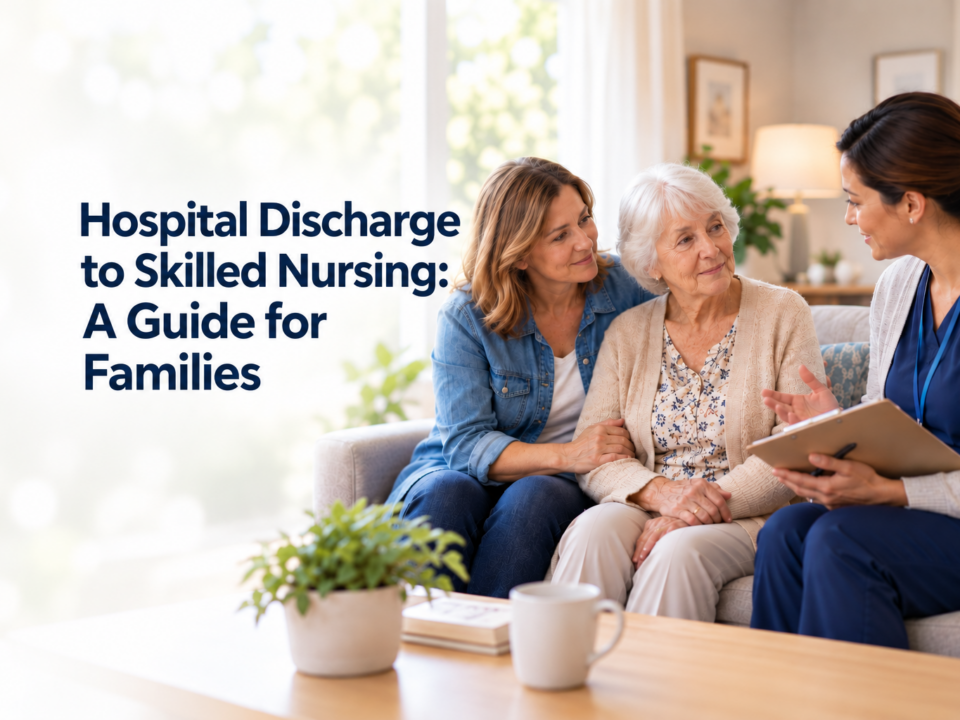
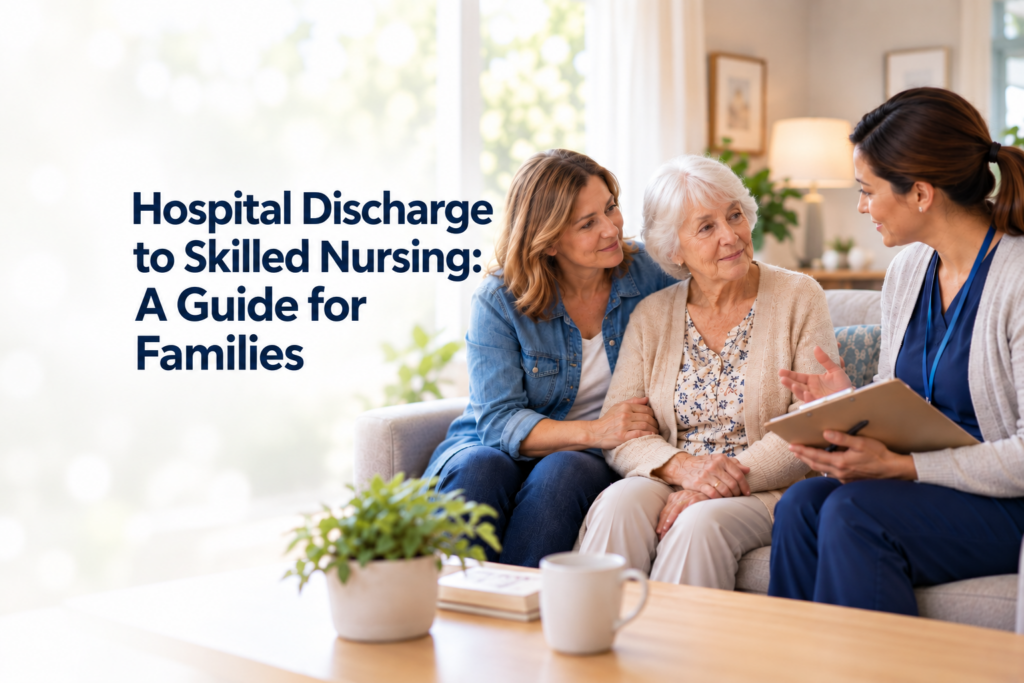
Hospital Discharge to Skilled Nursing: A Guide for Families
September 18, 2026
Recovery doesn’t end when surgery does. The right support between hospital and home can make every step safer and more manageable.
Coming home after surgery sounds like the moment when recovery should become easier. In reality, the first days and weeks after a procedure can bring new challenges. Pain, weakness, limited mobility, medication changes, and temporary restrictions can make ordinary activities such as getting dressed, bathing, preparing meals, or safely moving around the house much more difficult than expected.
For some patients, returning directly home isn’t the safest or most practical option. A short-term stay in a skilled nursing and rehabilitation setting can provide nursing care, therapy, and assistance with daily activities while the patient works toward greater strength and independence.
When families compare NC skilled nursing facilities, understanding how post-surgical care works can help them choose an appropriate setting and feel more prepared for the recovery ahead.
Jump To Section
When It Helps
Why Skilled Nursing May Be Recommended After Surgery
Every surgery and recovery is different. Some patients are able to return home with family assistance or outpatient services, while others require additional support before they’re ready to manage safely at home.
A skilled nursing stay may be recommended when a patient:
Has significant mobility limitations
Needs assistance with activities of daily living
Requires skilled nursing services
Would benefit from rehabilitation following hospitalization
This can be particularly helpful for older adults who were already managing chronic health conditions or mobility challenges before surgery. Even a successful procedure can temporarily reduce strength and endurance, especially after several days of limited activity.
The purpose of skilled nursing isn’t to replace independence. When rehabilitation is part of the care plan, the goal is often to provide appropriate support while helping the patient regain as much safe function as possible.
Clinical Care
Nursing Support During Post-Surgical Recovery
Recovering from surgery involves more than waiting for an incision to heal. Patients may be managing new medications, pain, changes in mobility, surgical precautions, and other medical needs at the same time.
In a skilled nursing setting, nurses can provide physician-directed care based on the patient’s individual plan. This may include:
Medication management to keep new and existing prescriptions on track
Monitoring the patient’s condition as recovery progresses
Wound care when ordered by the physician
Communication of concerns or changes to the appropriate healthcare professionals
This clinical oversight can be valuable during a period when a patient’s needs may be changing.
Patients and families should also understand which symptoms need prompt attention. The surgical team typically provides instructions about signs of possible complications, such as fever, worsening pain, unusual swelling, increasing redness, drainage, or other significant changes.
These instructions vary depending on the procedure, so the patient’s individual discharge plan should always guide care.
Comfort and Progress
Managing Pain Without Losing Sight of Rehabilitation
Pain management is an important part of post-surgical recovery because significant discomfort can make movement, rest, and participation in therapy more difficult.
Follow physician instructions: medications should be taken as directed.
Speak up: patients should communicate with the care team if pain is not adequately controlled or if they experience concerning side effects.
Move wisely: therapists and nursing staff can help patients use appropriate positioning and movement strategies based on their surgical precautions.
The goal isn’t necessarily to eliminate every sensation of discomfort before rehabilitation begins. Instead, pain management and therapy can work together so patients are able to participate appropriately while protecting the surgical area.
Physical Therapy
Rehabilitation Helps Rebuild Strength and Mobility
Hospitalization and surgery can take a toll on the entire body, not just the area where the procedure occurred. Reduced activity can contribute to weakness, decreased endurance, balance difficulties, and loss of confidence with movement.
This is why rehabilitation is often an important component of post-surgical skilled nursing care. Physical therapy may address:
Strength and endurance
Balance and walking
Transfers, such as moving from bed to chair
Overall mobility
A patient recovering from a joint replacement, for example, may need help safely getting in and out of bed, standing from a chair, using an assistive device, and gradually increasing walking distance.
The rehabilitation plan should reflect the patient’s procedure, precautions, current abilities, and personal goals rather than following the exact same program for everyone.
Occupational Therapy
Occupational Therapy Supports Everyday Independence
One of the biggest challenges after surgery is discovering how many ordinary activities suddenly require extra effort.
Getting dressed, bathing, using the bathroom, grooming, and completing other daily routines may be difficult because of weakness, pain, limited movement, or surgical restrictions.
Occupational therapy can help patients practice these activities while learning safer or more efficient ways to complete them. When appropriate, therapists may also recommend adaptive techniques or equipment that can make certain tasks more manageable.
These practical skills are especially important when preparing to return home. A patient may be walking better but still need help figuring out how to safely complete a morning routine or navigate daily activities while following surgical precautions.
Safe Healing
Reducing the Risk of Complications
Post-surgical recovery involves balancing activity and rest while watching carefully for potential problems.
Guided mobility: movement is often encouraged according to the surgeon’s instructions because prolonged inactivity can create its own challenges. At the same time, patients shouldn’t push beyond prescribed restrictions or attempt exercises that haven’t been approved for their recovery plan.
Structured support: nursing professionals can monitor clinical needs, while rehabilitation therapists can guide appropriate activity based on the patient’s abilities and precautions.
Nutrition and hydration: dietary needs vary, but adequate nutrition provides the body with resources needed during healing. Patients with diabetes, kidney disease, swallowing difficulties, or other medical conditions may require individualized dietary recommendations.
Dignity and Safety
Creating a Safe and Comfortable Recovery Environment
Recovery can be physically tiring and emotionally frustrating. Patients who were independent before surgery may suddenly need help with tasks they’ve performed on their own for years. A supportive care environment should recognize both sides of recovery.
Safety is important, particularly when weakness, medications, mobility restrictions, or assistive devices increase fall risk. Patients should have appropriate help with transfers and walking when needed, while the environment should allow them to participate in daily activities as safely as possible.
Comfort and dignity matter as well. Encouraging residents to make choices, participate in their own care, and work toward meaningful personal goals can help maintain a sense of independence during a temporary period of increased assistance.
Individual Care
Personalized Recovery Goals Make a Difference
Successful rehabilitation doesn’t look exactly the same for everyone. Rehabilitation goals should reflect individual priorities, for example:
One patient may want to walk independently again after hip surgery
Another may be focused on safely climbing the steps into their home
Someone recovering from abdominal surgery may need to rebuild overall endurance after a lengthy hospitalization
Therapists can evaluate progress and adjust treatment as abilities change. Small achievements, such as walking farther, needing less assistance with a transfer, dressing more independently, or tolerating more activity, can represent meaningful progress.
Instead of comparing recovery to someone else’s timeline, patients and families can focus on the milestones that matter for their own situation.
Discharge Planning
Preparing for a Safe Return Home
Discharge planning is another important part of post-surgical rehabilitation. Before a patient returns home, the care team may consider mobility, ability to complete daily activities, ongoing nursing needs, available caregiver support, the home environment, and follow-up recommendations.
Families can help by sharing information about the home early in the rehabilitation stay:
Are there stairs?
Is the bedroom on another floor?
Does the bathroom have enough space for a walker?
Will someone be available to assist with meals or transportation?
Identifying these concerns ahead of time gives the team an opportunity to incorporate relevant skills into rehabilitation and discuss equipment or support that may be needed after discharge.
Patients and caregivers should also understand medication instructions, follow-up appointments, activity restrictions, and symptoms that should be reported to the surgeon or another healthcare professional.
Know the Difference
Understanding Different Types of Support
Families searching online for care sometimes encounter terms such as skilled nursing, rehabilitation, long-term care, and hospice, and it can be difficult to understand how they differ.
Skilled nursing rehabilitation after surgery is generally focused on clinical care and helping a patient recover function following a procedure, illness, or hospitalization.
Hospice care has a different purpose, focusing on comfort and quality of life for people with a life-limiting illness who meet hospice eligibility requirements.
Families searching for hospice support in Murphy, NC nursing home settings should speak with the resident’s healthcare providers, hospice organizations, and the nursing facility to understand what services are appropriate and available. Hospice services and skilled rehabilitation serve different needs, and eligibility and coverage requirements can vary.
Understanding these distinctions can help families choose care based on the person’s current medical needs and goals rather than simply selecting a facility based on a general search term.
For Families
Choosing Among NC Skilled Nursing Facilities
If a loved one needs additional care after surgery, families should compare facilities based on the patient’s specific needs. When evaluating NC skilled nursing facilities, ask about:
Available nursing and rehabilitation services
Individualized care planning
Family communication
Discharge planning
Experience supporting patients after hospitalization or surgery
If rehabilitation is needed, ask what types of therapy are available and how progress is evaluated. Families may also want to know how the care team handles surgical precautions and communicates with physicians or other providers when questions arise.
Location can matter as well. Choosing a facility near family may make visits, care planning discussions, and preparation for discharge more convenient.
Our Approach
Post-Surgical Recovery at Murphy Rehabilitation & Nursing
Recovering from surgery can take patience, professional support, and a willingness to celebrate progress one step at a time.
At Murphy Rehabilitation & Nursing, skilled nursing and rehabilitation services are designed around each resident’s individual needs. For patients who aren’t ready to return directly home after surgery, a skilled nursing setting can provide nursing support, rehabilitation therapy, assistance with daily activities, and a structured environment for continued recovery.
The goal isn’t to rush the process. It’s to help each resident progress safely based on their condition, physician recommendations, abilities, and personal recovery goals.
Whether someone is rebuilding strength, practicing everyday activities, improving mobility, or preparing to return home, the right support can make the transition from hospital to greater independence feel more manageable for both patients and families.
FAQ
Frequently Asked Questions About Skilled Nursing After Surgery
What does a skilled nursing facility provide after surgery?
A skilled nursing facility may provide physician-directed nursing care, medication management, wound care when ordered, rehabilitation therapy, and assistance with activities of daily living. Services are based on the patient’s individual medical needs and recovery plan.
How do I know if I need skilled nursing care after surgery?
Skilled nursing may be recommended when a patient is medically stable enough to leave the hospital but still needs nursing services, rehabilitation, or more assistance than can safely be provided at home. The hospital care team can help determine the appropriate level of care before discharge.
What types of rehabilitation are available after surgery?
Depending on the patient’s needs, post-surgical rehabilitation may include physical therapy to address strength, balance, walking, and mobility and occupational therapy to improve independence with everyday activities. Speech-language pathology may also be appropriate when communication, cognition, or swallowing has been affected by an illness or hospitalization.
How long do patients stay in a skilled nursing facility after surgery?
There is no standard length of stay. Recovery time depends on the type of surgery, overall health, medical needs, progress in rehabilitation, home environment, and available support. Insurance coverage and eligibility requirements may also influence the length of a covered skilled nursing stay.
How should families compare NC skilled nursing facilities for post-surgical care?
When comparing NC skilled nursing facilities, ask whether each facility can meet your loved one’s specific nursing and rehabilitation needs. Consider available therapy services, individualized care planning, communication with families, the care environment, location, and how the facility prepares residents for their next transition. The best choice should be based on the patient’s individual needs rather than one factor alone.
Planning for Recovery After Surgery?
Our team at Murphy Rehabilitation & Nursing is here to answer your questions about post-surgical nursing care, rehabilitation, and admissions. Visit us, meet our team, and see how we can support your loved one’s next step toward home.