- Follow Us:
- (828) 835-7580

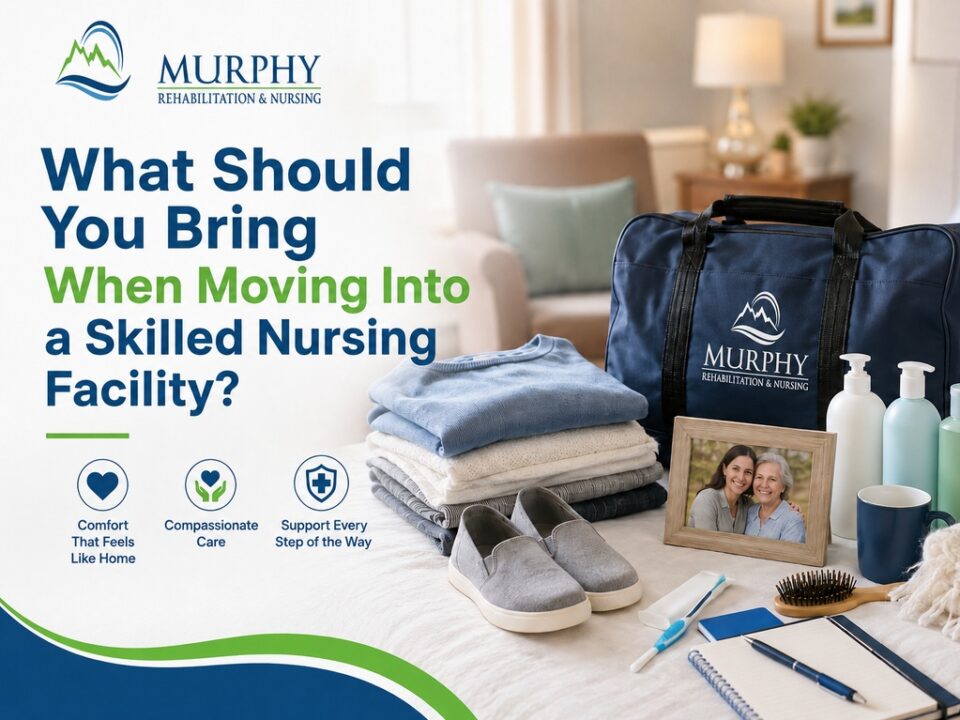
What Should You Bring When Moving Into a Skilled Nursing Facility?
August 25, 2026
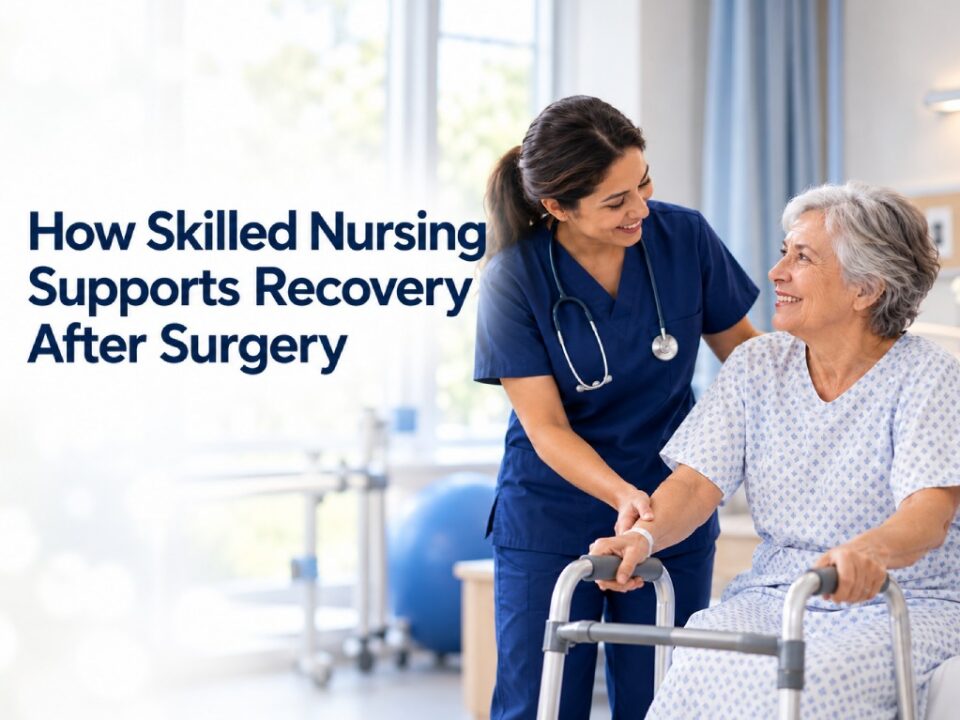
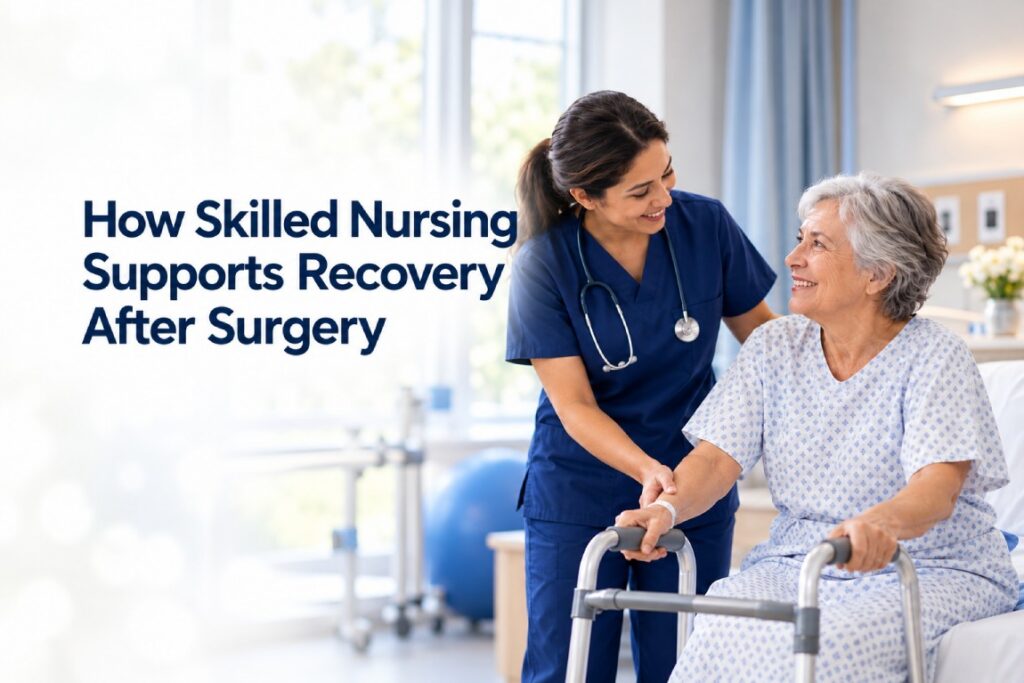
How Skilled Nursing Supports Recovery After Surgery
September 24, 2026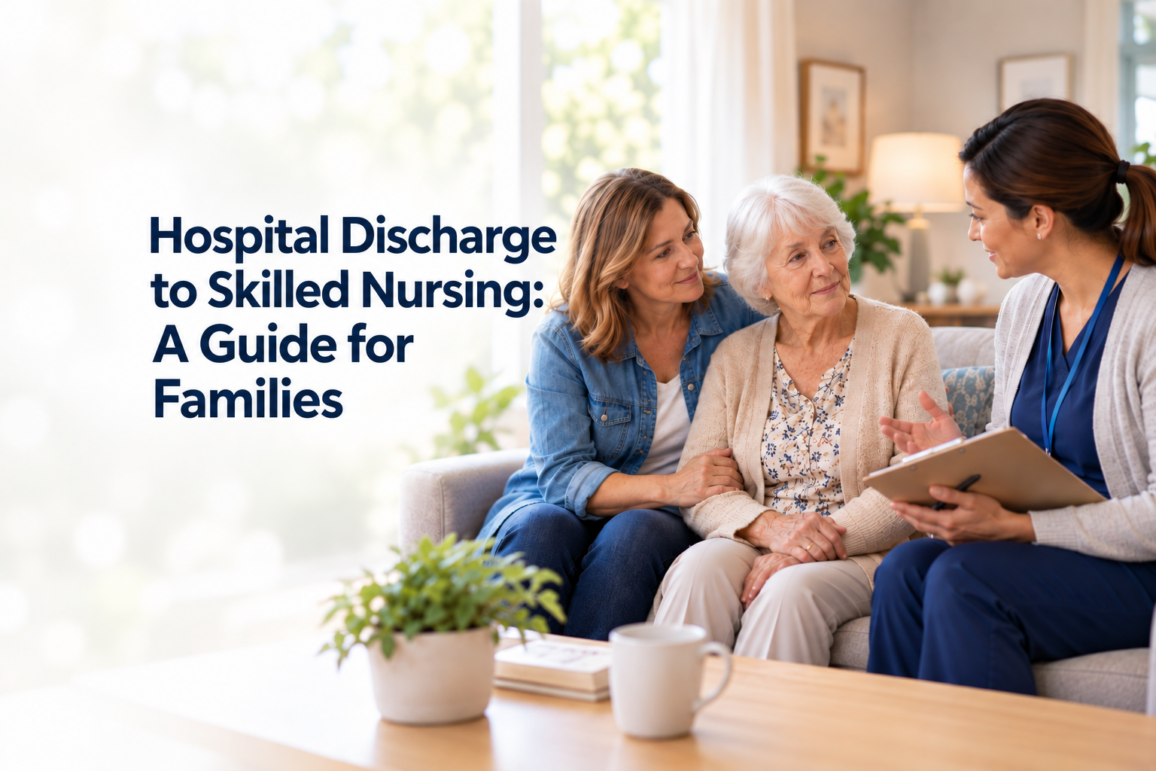
Leaving the hospital is a welcome milestone, but it doesn’t always mean your loved one is ready to go home.
After surgery, a serious illness, an injury, or an extended hospital stay, some people still need nursing care, rehabilitation, or help with everyday activities before they can safely manage on their own. When this happens, the hospital care team may recommend a temporary stay at a skilled nursing facility. For families, the transition can happen quickly and often comes with a long list of questions. What exactly does skilled nursing provide? How do you choose a facility? What should you bring? How long will your loved one stay?
Understanding the process ahead of time can make hospital discharge less stressful and help your family feel more prepared. Whether you’re comparing NC skilled nursing facilities or looking specifically for a nursing home in Murphy, NC, knowing what to expect can help you make informed decisions about the next stage of recovery.
Jump To Section
Understanding the Need
Why Would Someone Need Skilled Nursing After a Hospital Stay?
A person doesn’t have to be sick enough to remain in the hospital to still need more support than can safely be provided at home. A few common examples:
After joint replacement surgery, someone may be medically stable but still have difficulty walking, climbing stairs, or completing daily activities independently.
After a stroke, a patient may need rehabilitation for mobility, communication, or swallowing.
After an infection, fall, cardiac event, or illness, others may be recovering from significant weakness.
A skilled nursing facility can provide a bridge between hospital-level care and the next stage of recovery. Depending on the patient’s needs and physician-directed plan of care, services may include:
Skilled nursing and medication management
Wound care
Rehabilitation therapy
Assistance with activities of daily living, along with other support
The overall goal is to provide the level of care a patient currently needs while helping them work toward greater safety and independence whenever possible.
Before You Leave
Discharge Planning Often Begins Before You Leave the Hospital
Hospital discharge planning shouldn’t begin when someone is already dressed and waiting to leave. Ideally, the conversation starts earlier so patients and families have time to understand recommendations and prepare. A hospital case manager, social worker, discharge planner, or another member of the healthcare team may discuss whether the patient can safely return home or would benefit from additional care.
This is a good time for families to ask questions, such as:
What type of nursing or rehabilitation services are being recommended, and why?
Are there mobility restrictions or wound care needs?
Have there been medication changes or dietary considerations?
Are there follow-up appointments that need to be addressed?
If skilled nursing is recommended, you may also receive information about facilities that could meet the patient’s needs.
Don’t hesitate to take notes. Hospital discharge involves a lot of information, and having important instructions written down can make the transition easier.
Making the Right Choice
Choosing a Skilled Nursing Facility
Not all patients have the same needs, and not all facilities offer identical services. When comparing NC skilled nursing facilities, look for a setting that can appropriately address your loved one’s specific care and rehabilitation requirements.
Ask about available nursing and therapy services, how individualized care plans are developed, and how the team communicates with families. If your loved one needs physical, occupational, or speech therapy, find out how those services are incorporated into the rehabilitation plan. Location also matters. A facility near family may make visits and participation in care planning more convenient.
For families searching for a nursing home in Murphy, NC, visiting the facility when possible can provide additional insight. During your visit, pay attention to:
Cleanliness and the condition of resident areas
How staff interact with residents
The overall atmosphere
Whether the team willingly answers questions about services, daily routines, rehabilitation, family involvement, and what patients can expect during their stay
The First Day
What Happens When Your Loved One Arrives?
The first day at a skilled nursing facility is usually focused on helping the new resident settle in while the care team gathers the information needed to develop an appropriate plan of care. Staff may review hospital discharge paperwork, medications, medical history, physician instructions, dietary needs, mobility status, and other relevant information. Nursing and therapy assessments may also be completed based on the resident’s needs.
This assessment process helps the team understand where the person is starting. The team may look at questions like these:
Can the resident safely get out of bed?
Do they need help walking?
Can they dress or bathe independently?
Are there communication or swallowing concerns?
Does the resident need wound care or other skilled nursing services?
From there, an individualized care and rehabilitation plan can be developed. Families can help by sharing information about the resident’s previous level of independence, routines, preferences, home environment, and personal goals. Knowing what someone could do before hospitalization provides valuable context when planning for recovery.
Packing Essentials
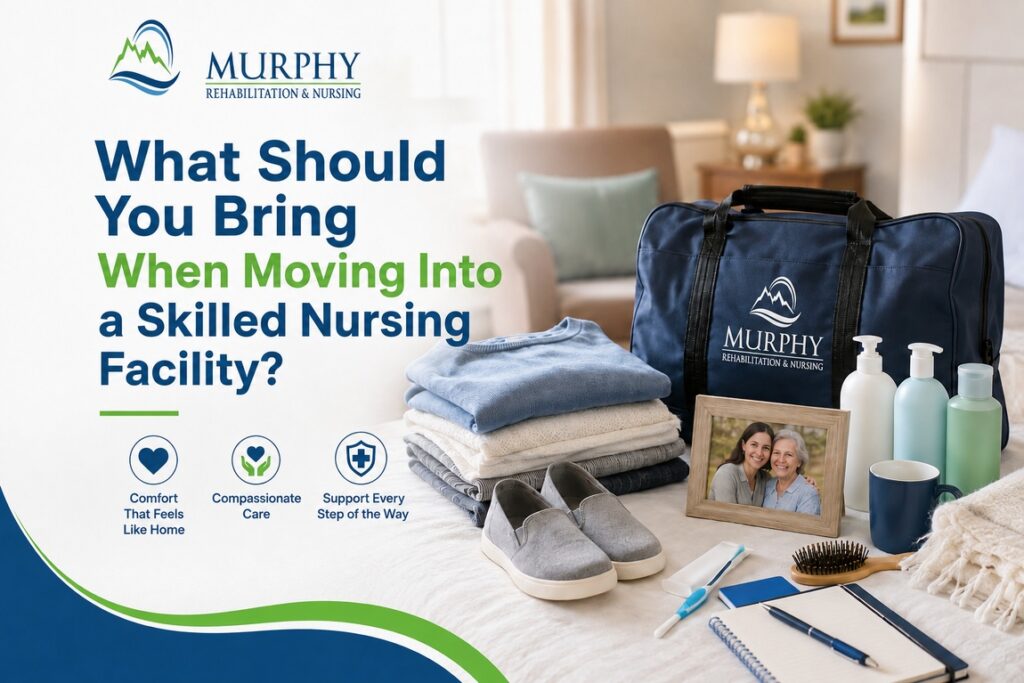
What Should You Bring to a Skilled Nursing Facility?
The facility should provide a specific list of what to bring, but preparing a few essentials can make the transition more comfortable.
Comfortable clothing that is easy to put on and appropriate for therapy
Supportive, non-slip footwear, often recommended for residents participating in rehabilitation
Personal items such as toiletries, eyeglasses, hearing aids, dentures, and other routinely used items, clearly labeled when requested by the facility
A few familiar belongings, such as family photographs or a favorite blanket, to help the room feel more comfortable
Medical and insurance information, so the care team has everything it needs
Medication handling varies by facility, so don’t bring medications from home unless specifically instructed to do so. If you’re unsure about any item, call the facility before packing it.
Therapy and Progress
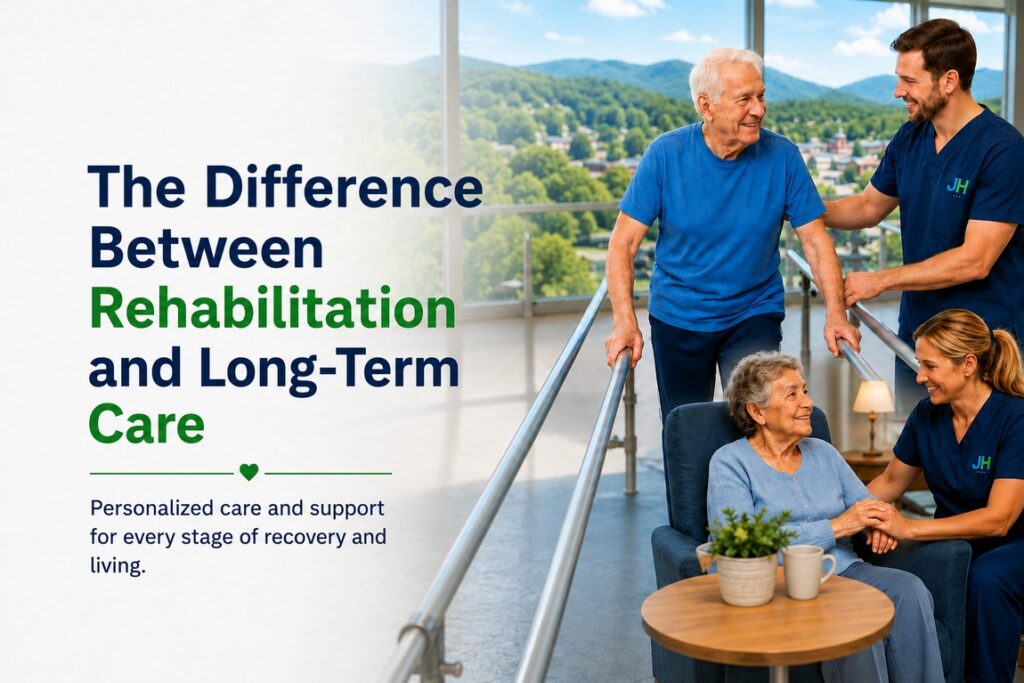
How Rehabilitation Supports Recovery
For many people transitioning from the hospital to skilled nursing, rehabilitation is a major part of the stay.
Physical therapy may focus on strength, balance, walking, transfers, and endurance.
Occupational therapy can address activities of daily living such as dressing, bathing, grooming, and other tasks needed for greater independence.
Speech-language pathology may be recommended for patients experiencing communication, cognitive, or swallowing difficulties.
Rehabilitation should be based on the individual’s condition and goals. For one resident, success may mean walking independently again. For another, it may mean safely using a walker or being able to transfer from bed to chair with less assistance. Someone recovering from a stroke may be working toward clearer communication or safer swallowing.
Progress can take time, and recovery isn’t always perfectly linear. Small improvements can still represent meaningful steps toward the next level of independence.
Coordinated Care
Skilled Nursing and Therapy Work Together
One advantage of recovering in a skilled nursing setting is the ability to address multiple needs within a coordinated care environment. A resident may be working with therapists while also needing nursing care, medication management, nutritional support, or assistance with daily activities. Communication among members of the healthcare team helps keep these different parts of recovery connected.
For example, therapists may identify mobility strategies that nursing staff can reinforce during everyday activities. Nursing professionals may notice changes in pain, endurance, or medical status that could affect participation in rehabilitation. This interdisciplinary approach is especially valuable for patients recovering from complex illnesses or hospitalizations.
Your Role Matters
Families Remain an Important Part of the Process
Moving to a skilled nursing facility doesn’t mean families stop participating in a loved one’s recovery. Family members can provide encouragement, help communicate personal preferences, attend care discussions when appropriate, and learn strategies that may be useful when the resident eventually returns home.
Ask the care team how progress will be communicated and whom you should contact when you have questions. It also helps to understand the resident’s current goals and what skills may need to improve before discharge.
If the plan is eventually to return home, sharing details about the home environment can be helpful:
Are there stairs at the entrance?
Is the bedroom upstairs?
Does the bathroom have enough space for mobility equipment?
Will someone be available to assist?
Thinking about these issues early gives the rehabilitation team more information to help prepare for a safe transition.
Looking Ahead
Planning for the Next Discharge
Admission to skilled nursing is often one transition in a larger recovery journey. For short-term rehabilitation patients, planning for the next step may begin well before the day they leave the facility. The care team may evaluate progress, ongoing nursing needs, mobility, ability to complete daily activities, available family support, and the home environment when helping prepare for discharge.
Some patients may return home independently, while others may need family assistance, home health services, outpatient therapy, medical equipment, or additional follow-up care. Before discharge, families should make sure they understand:
Medication instructions
Follow-up appointments
Therapy recommendations and equipment needs
Any symptoms that should be reported to a healthcare provider
Just as with hospital discharge, preparation can make the next transition smoother.
Care Close to Home
Finding Skilled Nursing Care in Murphy, NC
For families in western North Carolina, having skilled nursing and rehabilitation services close to home can make an already challenging period feel more manageable.
Murphy Rehabilitation & Nursing provides skilled nursing and rehabilitation services designed around individual resident needs. For patients transitioning from the hospital, an individualized approach can help address nursing needs, mobility, daily functioning, and rehabilitation goals while preparing for the next stage of care.
When comparing NC skilled nursing facilities, families should consider more than location alone. Look closely at:
Available services and rehabilitation capabilities
How the team communicates with families
The care environment
How the facility approaches individualized care
If you’re searching for a nursing home in Murphy, NC following a hospitalization, asking questions before admission can help you better understand what your loved one’s stay may look like and whether the facility can meet their specific needs.
Moving Forward
Making the Hospital-to-Skilled-Nursing Transition Easier
A hospital discharge can bring relief, uncertainty, and a surprising amount of planning all at once. When a loved one isn’t ready to safely return home, skilled nursing can provide an important next step in the recovery process.
Families can make the transition easier by becoming involved early, understanding the recommended level of care, asking questions, and choosing a facility equipped to address the patient’s individual needs.
At Murphy Rehabilitation & Nursing, the goal is to provide individualized skilled nursing and rehabilitation support while helping residents work toward greater strength, function, and independence whenever possible. Recovery looks different for everyone, but a coordinated care team and a clear plan can help families approach the transition with greater confidence.
Common Questions
Frequently Asked Questions About Hospital Discharge to Skilled Nursing
Planning a Transition From the Hospital?
Our team at Murphy Rehabilitation & Nursing is here to answer your questions about skilled nursing, rehabilitation, and admissions, so your family can feel confident about the next step in your loved one’s recovery.