- Follow Us:
- (828) 835-7580


How Skilled Nursing Supports Recovery After Surgery
September 24, 2026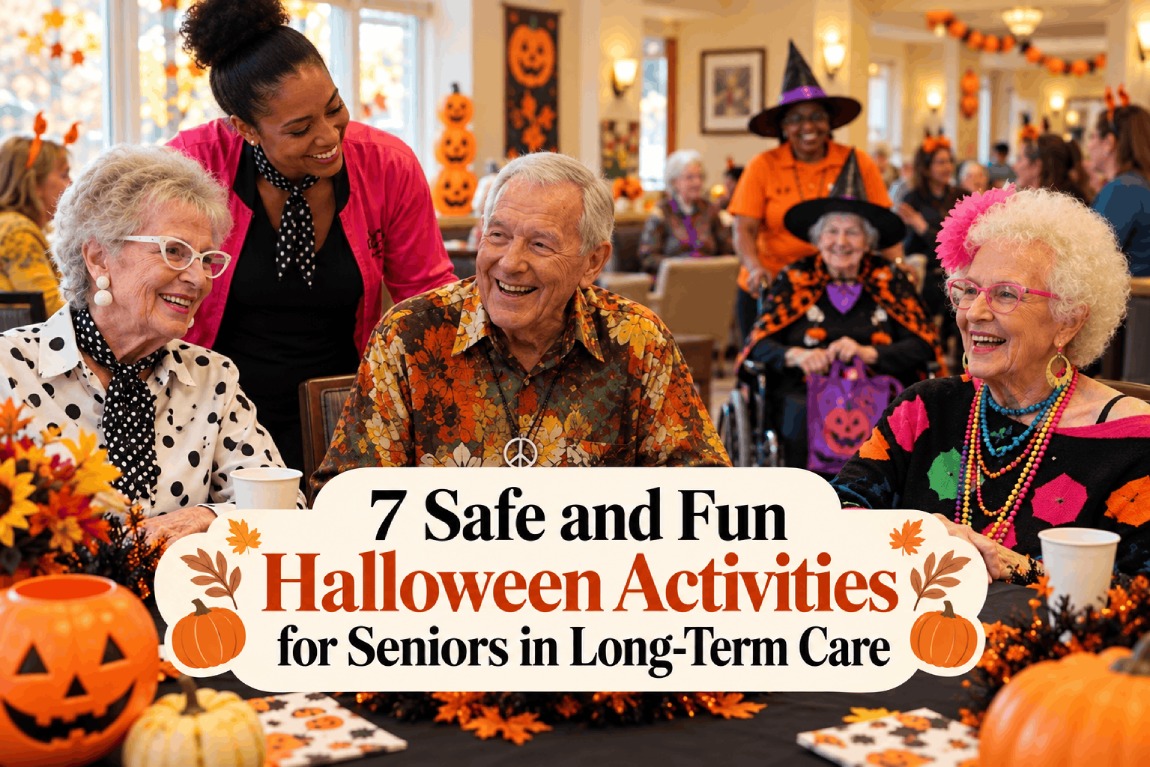
Halloween isn’t just for trick-or-treaters. With a little planning, the season can bring creativity, laughter, and connection to every resident in long-term care.
For older adults living in long-term care, Halloween can be a wonderful opportunity to get creative, share memories, spend time with others, and simply have a little fun. Think about everything the season brings to mind: pumpkins on the porch, favorite candy, classic movies, costumes, fall decorations, and parties with family and friends. For many seniors, these traditions hold decades of memories, from taking their own children trick-or-treating to carving pumpkins or handing out candy to neighborhood kids.
Bringing some of those traditions into a Skilled Nursing Facility can make the season feel familiar while also creating new experiences for residents to enjoy. Below are seven safe and fun Halloween activities that help residents celebrate the spooky season while encouraging creativity, social interaction, and meaningful engagement.
The key is choosing Halloween activities that can be adapted to different interests and abilities. Some residents may be ready for a lively costume party, while others would much rather decorate a pumpkin, listen to seasonal music, or enjoy a quiet Halloween movie.
Jump To Section
Activity 1
Decorate Pumpkins Without the Carving
Pumpkin carving may be a Halloween classic, but sharp knives and slippery pumpkin surfaces aren’t always the best combination for a group activity in long-term care. Fortunately, you don’t have to carve a pumpkin to create a masterpiece.
Easy, safe supplies such as paint, stickers, ribbons, markers, googly eyes, foam shapes, and other craft materials, with larger decorations available for residents who need something easier to grip and handle
Room for imagination with traditional jack-o’-lantern faces or more creative designs, where one pumpkin becomes a cat, another a witch, and another a colorful abstract piece
A friendly vote once the finished pumpkins are on display, letting residents, staff, or visiting families choose favorites in categories like funniest, most creative, spookiest, or most colorful
This activity gives residents the chance to make choices and express their personalities without requiring everyone to have the same level of artistic ability. And sometimes half the fun is seeing what everyone else creates.
Activity 2
Host a Halloween Craft Afternoon
Halloween provides plenty of inspiration for simple seasonal crafts. Residents might enjoy projects like these:
Making paper pumpkins and friendly ghosts
Decorating masks
Designing Halloween cards for grandchildren
Creating decorations for their rooms or common areas
Crafts are especially enjoyable because they can often be modified to fit each resident’s abilities. Someone with limited hand strength might use larger pieces of material or pre-cut shapes, while another resident may prefer choosing colors and decorations and receiving help with cutting or assembling the project.
The goal isn’t perfection. It’s the experience of choosing, creating, talking, laughing, and ending the activity with something residents can display or share.
For residents at NC skilled nursing facilities, seasonal crafts can also bring variety and something special to look forward to as the holidays approach.
Activity 3
Plan a Costume or Halloween Hat Parade
Costumes can be fun at any age, and they don’t need to be elaborate. Some residents may enjoy dressing in a full costume, while others might prefer a festive hat, scarf, Halloween shirt, or pair of funny glasses. A costume parade gives everyone a chance to show off their Halloween spirit.
Staff can participate too, which makes the event even more entertaining, and families may enjoy helping residents choose costumes or attending the celebration when appropriate. Lighthearted categories such as “most creative,” “funniest,” or “best hat” keep the mood playful without turning the parade into a serious competition. Residents who don’t want to dress up can still join the audience, help judge, or simply enjoy watching.
Safety should remain part of the planning, so keep these tips in mind:
Choose costumes that let residents move comfortably
Make sure nothing interferes with walkers, wheelchairs, footwear, or other mobility equipment
Avoid long capes, trailing fabric, masks that restrict vision, and other potential tripping hazards
Activity 4
Play Halloween-Themed Games and Trivia
Familiar games can get a seasonal makeover with very little effort. A few easy ideas to try:
Halloween bingo with cards featuring pumpkins, black cats, candy corn, witches’ hats, ghosts, or other seasonal images instead of traditional numbers
Halloween trivia with questions about classic Halloween movies, old-fashioned candy, famous spooky characters, autumn traditions, or Halloween history
Name That Halloween Tune or a classic movie game built around familiar music and films
These activities encourage conversation and friendly competition while giving residents opportunities to recall memories and share stories. A question about Halloween candy might lead someone to remember what they gave trick-or-treaters when their children were young. A movie question could spark a conversation about favorite actors or films.
Sometimes the game itself is only the beginning. The stories that come out of it can become the most meaningful part.
Activity 5
Have a Classic Halloween Movie Afternoon
Not every Halloween celebration needs to be busy. A cozy movie afternoon can be a perfect option for residents who prefer quieter activities, and the trick is choosing the right movie.
Halloween entertainment doesn’t have to mean graphic horror. Depending on residents’ preferences, facilities can choose classic mysteries, lighthearted Halloween comedies, old monster movies, or other seasonal favorites that create a festive atmosphere without being overly frightening. Add comfortable seating, seasonal decorations, and appropriate snacks, and an ordinary afternoon can become a special event.
Residents might even vote in advance on which movie they’d like to watch. That element of choice matters. The most meaningful activities aren’t necessarily the ones staff think residents should enjoy; they’re the ones residents actually want to participate in.
Activity 6
Create a Halloween Memory and Storytelling Circle
Halloween can be a surprisingly good conversation starter. Instead of asking residents general questions about the past, use the holiday to prompt specific memories:
What costume did you wear as a child?
What candy did you hope to find in your trick-or-treat bag?
Did you take your children trick-or-treating?
Did your family carve pumpkins?
Were there any Halloween traditions in your hometown?
Old photographs, vintage Halloween advertisements, familiar candy wrappers, decorations, or music can also help get the conversation going. Some residents may have funny stories, while others might remember traditions their families followed for years. These conversations allow residents to share parts of their personal histories with one another and with staff.
Family members can get involved too. Grandchildren might enjoy hearing how Halloween was celebrated decades ago, and residents may enjoy learning about the costumes their grandchildren or great-grandchildren have chosen this year. For residents who prefer smaller groups, storytelling also works well as a one-on-one activity.
Safety First
Making Halloween Activities Safe and Accessible
A successful Halloween activity isn’t measured by how elaborate it is. It’s measured by whether residents can comfortably and meaningfully participate. Activities should be adapted to each resident’s mobility, vision, hearing, cognition, dietary needs, and other considerations.
Clear walkways are particularly important when adding seasonal decorations, and decorations shouldn’t interfere with handrails, mobility equipment, or other safety features
Good lighting matters too. A darkened room may seem perfect for Halloween, but residents with vision or balance difficulties may need adequate lighting to move safely
Food activities should take individual dietary needs and swallowing recommendations into account
Gentle surprises only, since not everyone enjoys being startled. Jump scares, loud unexpected noises, frightening masks, or overly realistic decorations may be uncomfortable for some residents
A festive approach can still capture the fun of Halloween without making the environment distressing.
Person-Centered Care
Halloween Fun Should Reflect the Individual
One of the most important parts of planning senior activities is recognizing that older adults aren’t all interested in the same things. One resident may absolutely love Halloween and want to wear a costume from breakfast until bedtime. Another might enjoy pumpkin decorating but have no interest in a party. Someone else may prefer listening to music or watching everyone else participate. All of those choices are valid.
Person-centered care means recognizing individual preferences rather than measuring success solely by how many people attend an event. This can be particularly important for residents with complex medical needs or those receiving comfort-focused services.
Families researching services such as hospice support at a Murphy, NC nursing home should understand that hospice and skilled nursing are distinct services, although hospice services may sometimes be coordinated with nursing facility care when appropriate. Activities for residents receiving hospice support should reflect their comfort, energy level, preferences, and overall plan of care. For some residents, meaningful Halloween engagement might simply mean listening to favorite music, enjoying a seasonal decoration in their room, or spending quiet time with family.
Life at Murphy
Celebrating the Season at Murphy Rehabilitation & Nursing
At Murphy Rehabilitation & Nursing, quality of life includes opportunities for residents to stay engaged, connect with others, and enjoy meaningful experiences throughout the year. Seasonal activities are a natural part of that experience.
For families comparing NC skilled nursing facilities, it’s worth asking what daily life looks like in addition to learning about nursing and rehabilitation services. A few helpful questions to ask:
What activities are available?
How are programs adapted for different abilities?
Are residents given choices?
Can families participate in special events?
A Halloween celebration might seem like a small thing compared with the clinical care provided in a Skilled Nursing Facility, but these moments matter. Decorating a silly pumpkin, laughing at a costume, remembering a childhood Halloween, singing along to a familiar song, or spending an afternoon with family can create real connection and enjoyment.
After all, growing older doesn’t mean growing out of having fun. And Halloween gives everyone a pretty good excuse to be a kid again for a little while.
FAQs
Frequently Asked Questions About Halloween Activities for Seniors
What are some safe Halloween activities for seniors in long-term care?
Pumpkin decorating without carving, seasonal crafts, Halloween bingo, trivia, costume or hat parades, movie afternoons, music, and storytelling activities are all possibilities. Activities should be adapted to each resident’s mobility, cognitive abilities, interests, and other individual needs.
How can Halloween activities be adapted for seniors with limited mobility?
Many activities can be completed while seated, including pumpkin decorating, crafts, trivia, bingo, music, storytelling, and movies. Staff can also modify materials and provide assistance when needed so residents can participate comfortably.
Are Halloween activities appropriate for seniors with dementia?
Some Halloween activities may be appropriate, but they should be selected carefully based on the individual. Familiar music, simple crafts, seasonal treats when appropriate, and gentle reminiscence activities may be enjoyable. Frightening masks, jump scares, loud noises, dark rooms, or confusing decorations may cause distress for some individuals and are generally better avoided.
Why are seasonal activities important in a skilled nursing facility?
Seasonal activities can provide residents with opportunities for social interaction, creativity, movement, familiar traditions, and enjoyment. They can also add variety to daily routines and give residents something special to anticipate.
Can families participate in Halloween activities at a nursing home?
Family participation depends on the facility and the particular event, but many communities may offer opportunities for families to participate in seasonal celebrations. Families can ask the facility about upcoming events, visiting guidelines, and appropriate ways to celebrate Halloween with their loved one.
Celebrate Every Season With Us
Want to see how Murphy Rehabilitation & Nursing helps residents stay engaged, connected, and well cared for all year long? Our team would love to show you around, introduce you to daily life here, and answer any questions your family has.